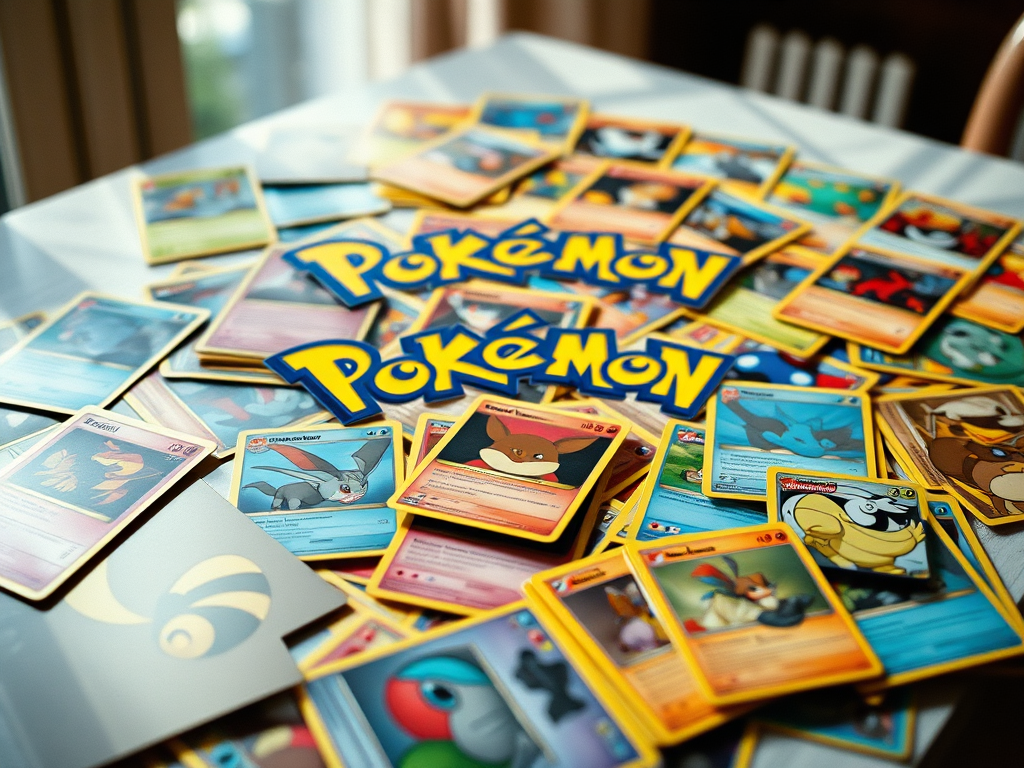
Whether you’re chasing nostalgia, exploring the world of Pokémon for the first time, or picking up a fun new hobby, collecting Pokémon Trading Card Game (TCG) cards is an exciting and rewarding journey.
But with so many cards, sets, and products out there, getting started can be a little overwhelming.
Here’s a beginner-friendly guide to help you dive into the world of Pokémon card collecting with confidence!
🎯 Step 1: Decide What Kind of Collector You Are
Before buying your first pack, set or single, think about why you’re collecting. Here are a few common types of collectors:
- Casual Collector – You collect cards of your favorite Pokémon just for fun.
- Set Collector – You aim to complete or master a full set, like Scarlet & Violet: 151 or Prismatic Evolutions.
- Investor/Value Collector – You’re interested in rare cards and long-term value of sealed products.
- Competitive Player – You want to build powerful decks for tournaments and matches.
Knowing your goal will help guide what you buy and how you build your collection.
🧠 Step 2: Learn the Basics of Pokémon Cards
For any collector there are a few important details to know:
- Pokémon Name
- Set Symbol/Abbreviation & Card Number – Older sets use symbols while the newest use a 3 letter abbreviation to denote set names. The card number is a handy identifier and correlates to where the card sits in the series if you’re mastering it.
- Rarity Symbol:
- ● Common
- ◆ Uncommon
- ★ Rare
- Special Cards:
- Holofoil – These cards have holograhic borders and art.
- Reverse Holo – The main body of the card has a holo pattern.
- Full Art – The most important full arts to note are SIR and IR. Special Illustrated Rares (SIR) are full art cards that have holofoil and a textured pattern. While Illustrated Rares (IR) just have the holofoil effect.
- Special Evolutions – EX / GX / V / VMAX / VSTAR / Tera
🛒 Step 3: What to Buy First
🔹 Single Cards
- Buying singles is a great way to start your collection. It takes the RNG out of pack opening plus you can buy singles to stock up your trading binder.
🔹 Booster Packs
- Each pack contains 10 random cards.
🔹 Elite Trainer Boxes (ETBs)
- Include 9 booster packs (but Pokemon Center ETBs have 11 packs), card sleeves, dice, and promo card.
🔹 Tins & Collection Boxes
- Often include promo cards and several booster packs.
- Fun variety to open packs from different sets.
🔹 Prebuilt Theme or Battle Decks
- Ready-to-play 60-card decks.
- Great for learning how to play the card game but not recommended for collecting or investing. They don’t contain booster packs nor rare cards.
📦 Step 4: Protect and Organize Your Cards
To keep your collection safe:
- Penny Sleeves – For holos and valuable cards.
- Binders – Ideal for displaying and organizing sets.
- Toploaders – For very rare or expensive cards.
- Storage Boxes – Great for bulk commons and duplicates.
- Storage Containers – For proecting sealed product (ETBs, booster boxes, etc) from moisture and warping.
💰 Step 5: Understand Card Rarity and Value
Not all shiny cards are valuable! Here’s what to know:
- Chase Cards – The most sought-after cards in a set.
- Grading – PSA, Beckett, and CGC grade cards on condition (scale of 1–10).
- Marketplaces – Use sites like TCGPlayer, eBay, or local shops to check prices.
🔎 Pro tip: Don’t collect just for value. Prices fluctuate—collect what you love first.
🌐 Step 6: Join the Pokémon Community
Pokémon is better with friends! Connect with other collectors:
- Join local game stores or Pokémon League events.
- Find groups on Reddit, Discord, or Facebook.
- Follow YouTubers, Twitch streamers, or blogs for unboxings and news.
🗓️ Step 7: Stay Up-to-Date on New Releases
The Pokémon Company releases new sets every few months. Stay informed to catch cards early!
Useful websites:
✅ Final Tips for New Collectors
- Start with your favorite Pokémon or set.
- Stick to a budget.
- Don’t stress about getting rare cards immediately.
- Enjoy the the hobby and the trading card community!