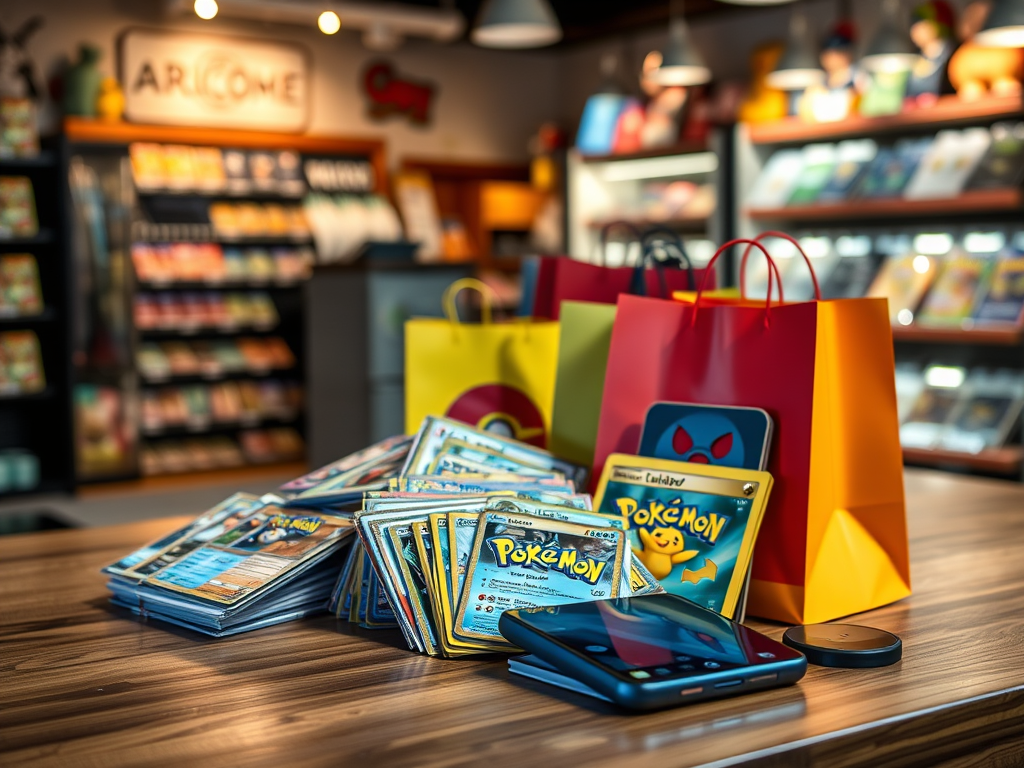
Trading Pokémon cards has been part of the fun since the game’s launch in the late 1990s. Whether you’re a kid swapping duplicates with friends or a seasoned collector chasing rare holofoils, knowing how to trade Pokémon cards safely and fairly is essential.
Here’s everything you need to know to make smart trades and avoid scams.
1. Where to Trade Pokémon Cards
There are many safe places to trade cards:
- Local Game Stores (LGS) – Many shops host trade nights where players bring binders of cards and slabs.
- School or Community Groups – Great option for younger collectors. Check your local school, library, or neighborhood group for trade events.
- Online Trading Communities – Reddit, Discord servers, Facebook Marketplace and online forums have dedicated Pokémon TCG trade groups (be extra cautious).
3. How to Make a Fair Trade
Trading should feel good for both sides. Here’s how to keep things fair:
- Know Card Values – Use price guides and marketplaces like TCGplayer, Cardmarket, or eBay sold listings to estimate value.
- Consider Condition – A near mint (NM) card will be higher in value than one that is lightly (LP) or moderately played (MP). For expensive cards, consider one in LP condition as you can save money and can find one with minimal damage to the front.
- Be Transparent – Point out scratches, bends, or other flaws before trading.
👉 Tip: Some people ask to trade at a percentage. This is acceptable for a card vendor at a show, because they are willing to accept multiple lower value cards. The vendor then needs to invest their time and effort to sell those cards and to cover costs like table fees. For direct P2P trades, like at a card shop trade event, do not accept this behavior! Trades should be done at market value and based on card condition.
4. Trading Etiquette
Good manners go a long way in the Pokémon community.
- Always ask before touching someone else’s binder or cards.
- Use sleeves to protect valuable cards during trades.
- Shake hands (or verbally agree) when both sides are happy.
- Don’t pressure someone into a trade. Also don’t feel be obligated to trade if the other party has no cards of interest to youl.
- Respect a “no” — not every card is for trade.
5. Online Trading Safety
If you trade Pokémon cards online:
- Use Trusted Platforms – Stick to communities with rules and moderation.
- Check Reputations – Many online groups have reputation or feedback systems.
- Ship Securely – Use padded envelopes, sleeves, and top loaders.
- Track High-Value Trades – For expensive cards, use tracked shipping.
- Never Trade Without Proof – Always ask for clear photos and dated photos (user ID, name, or date) before agreeing.
6. Common Mistakes to Avoid When Trading
- Trading away rare cards too quickly without checking value.
- Accepting damaged cards without realizing.
- Rushing a deal without double-checking.
- Trading online without seller feedback or reputation checks.